- info@moretec-inc.com
- |
- CN
- |
- JP

When choosing a magnetic liquid rotary seal for your system, several critical elements should be reviewed to ensure optimal performance and reliability.
The physical space available and your assembly layout play a crucial role in determining the appropriate seal. Key questions to consider include:
Do you require a through-hole (hollow shaft) or a solid shaft design?
What are the shaft dimensions or aperture sizes to be sealed?
Which mounting configuration is required — flange mount, cartridge, or threaded installation?
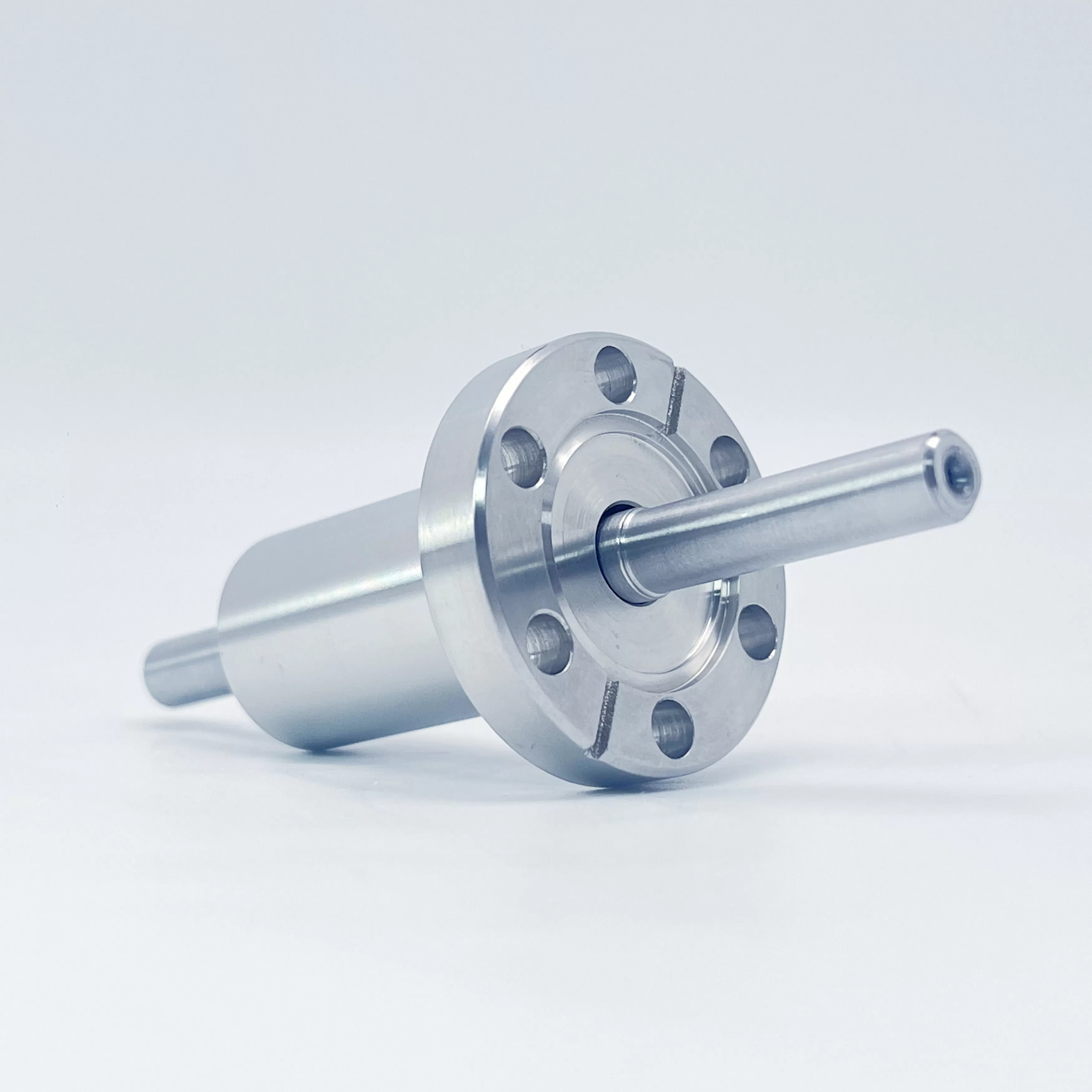
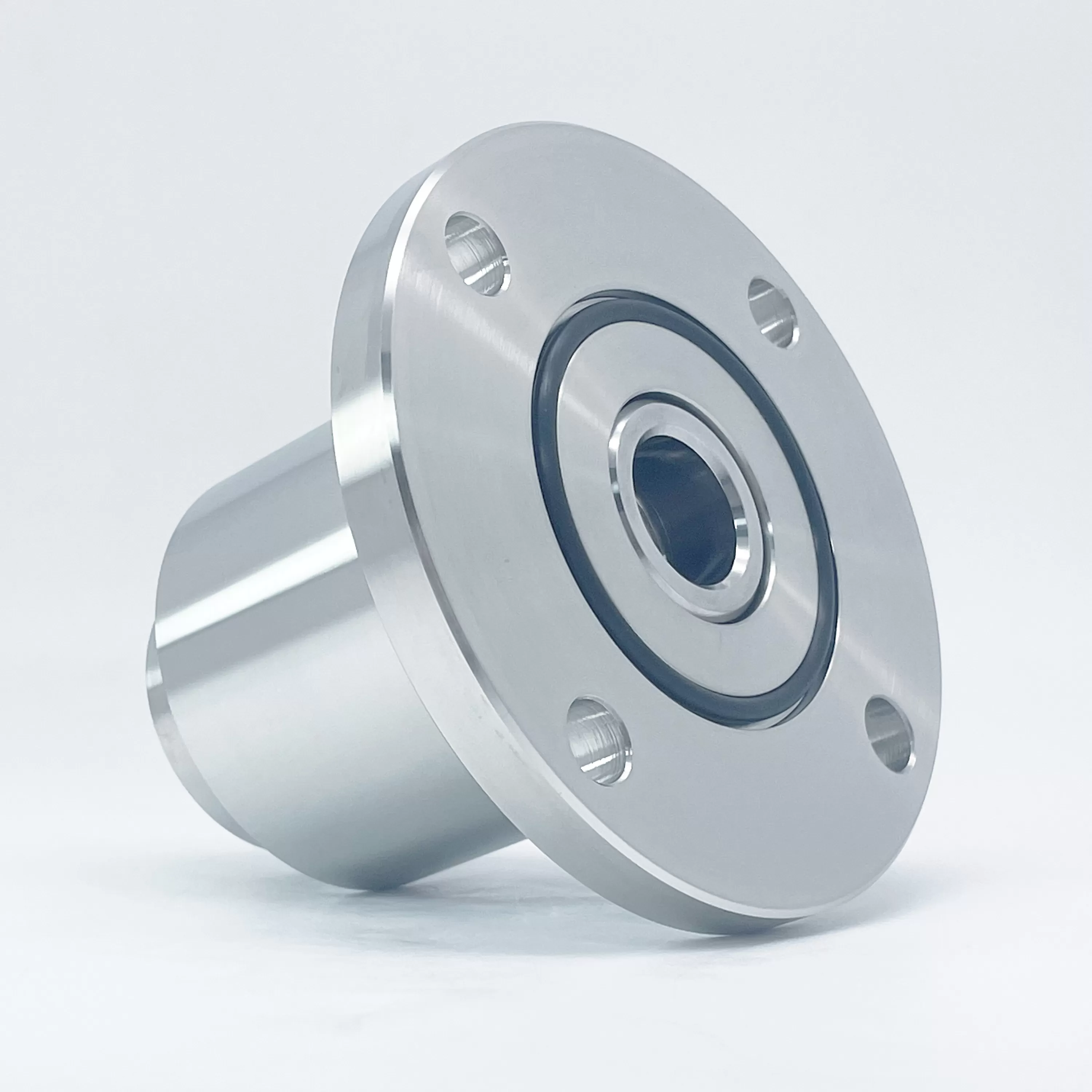
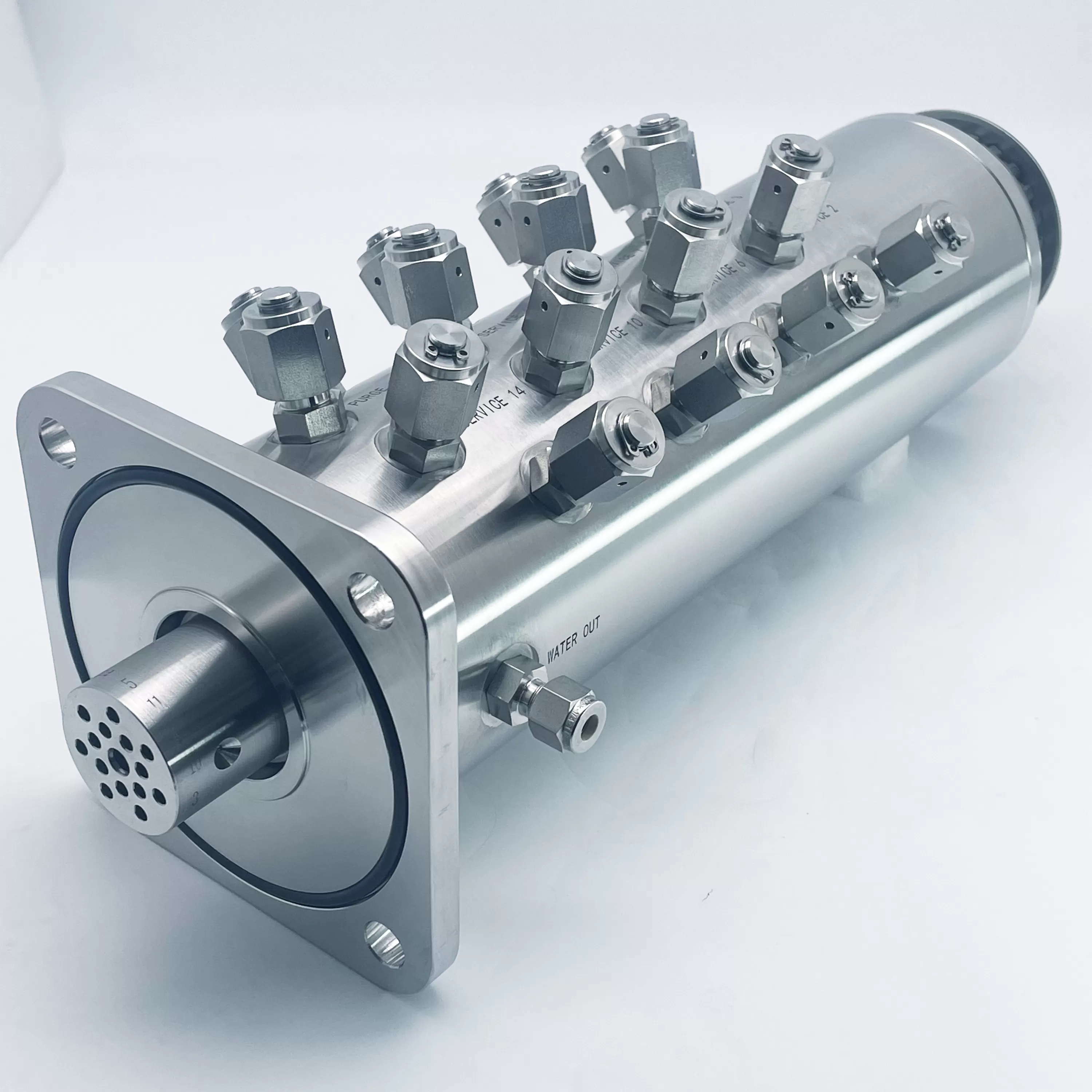
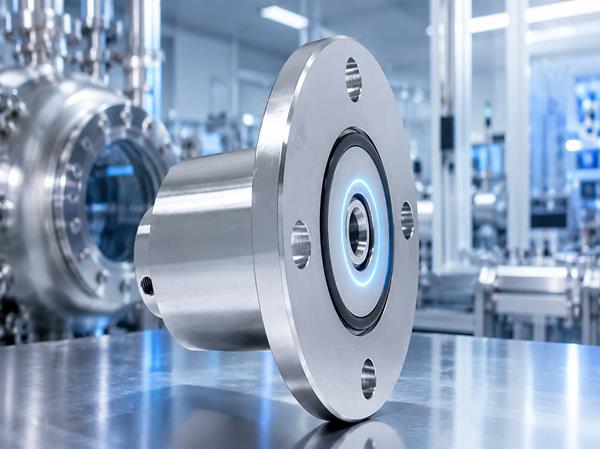
At Moretec, each vacuum fluid feedthrough includes detailed illustrations and technical specifications. For hollow shaft models, additional geometry relevant to integration is available. Appropriate mounting hardware (nuts, washers) is supplied for standard nose-mount styles with shaft diameters above 1/4 inch.

The operating environment strongly influences the selection of the proper seal. Consider the following parameters:
Are you working with corrosive or reactive process gases?
What are the typical and peak temperatures in the working environment?
Are there any contamination or exposure risks?
Our engineers will advise the suitable design and fluid combination of ferrofluidic vacuum feedthrough solution to match your conditions.

System demands in terms of speed, torque, and pressure guide the final seal recommendation:
Our rotary seals support a wide speed range due to their non-contact fluid sealing mechanism. Each model specifies a maximum operating speed (without external loads).
Radial and axial loading is influenced by speed, mounting position, and the type of load applied. Reference values are typically defined for 1,000 rpm operation. For low-speed or combined load applications, contact our team for engineering validation.
Each seal's maximum torque and expected running resistance (drag torque) are indicated in technical data sheets. Torque values depend on shaft speed and include startup and steady-state scenarios.
For vacuum applications, outgassing levels are listed to support system design. These values reflect material permeation and fluid evaporation but are not equivalent to leak rates. RGA samples are available upon request.
If your application demands exceed catalog specs — such as high temperatures, fast acceleration, or non-standard fluids — Moretec engineers will support you with a tailored configuration.