- info@moretec-inc.com
- |
- CN
- |
- JP
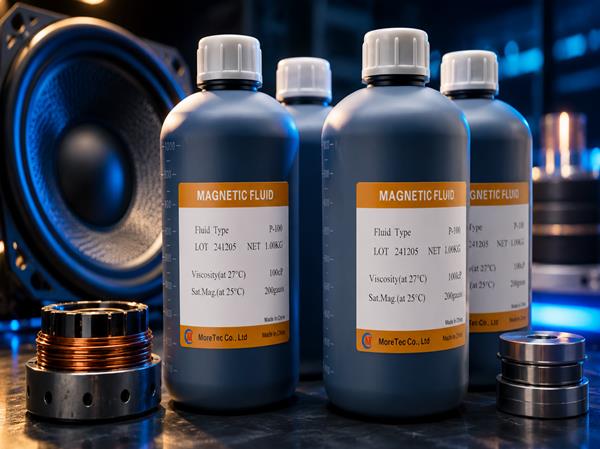
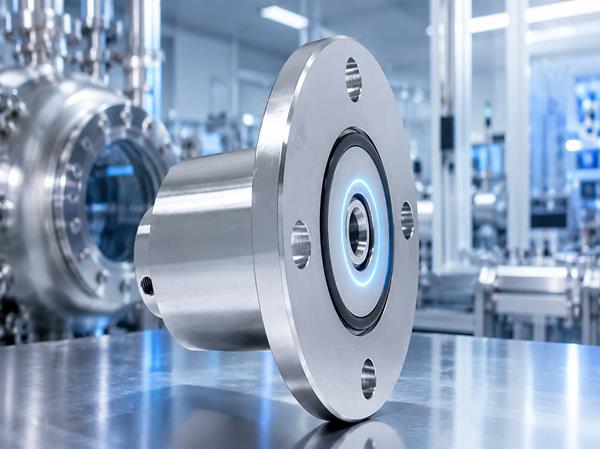
A ferrofluid seal is a precision vacuum component designed to transmit rotary motion or torque across a vacuum boundary while maintaining hermetic sealing. By using a magnetically retained ferrofluid as the sealing medium, it creates multiple liquid O-rings that form a non-contact dynamic seal. This unique technology enables reliable performance in high-vacuum and ultra-high-vacuum environments, making ferrofluid seals essential in semiconductor manufacturing, analytical instruments, and advanced research equipment.
Ferrofluid seals eliminate solid-to-solid friction by replacing it with liquid O-rings, resulting in minimal wear and long-term stability. This makes them superior to traditional mechanical seals in applications requiring ultra-clean vacuum conditions.
Depending on design and ferrofluid formulation, ferrofluid seal can operate under vacuum levels down to 10⁻⁹ Torr, while withstanding pressure differentials of several atmospheres. This makes them ideal for vacuum coating, ion implantation, and analytical instruments.
Seals are optimized for specific operating ranges. Typical designs can function from cryogenic temperatures up to ~150–200°C, depending on ferrofluid type and magnet configuration. They also support rotational speeds from a few rpm to several thousand rpm.
With proper shaft alignment, load control, and thermal management, ferrofluid seals deliver long service life with minimal maintenance. Their stability reduces downtime and enhances productivity in critical vacuum processes.