- info@moretec-inc.com
- |
- CN
- |
- JP

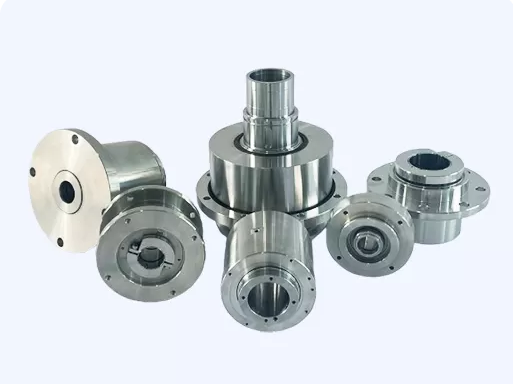
Not just advantages, but also drawbacks? We break down the considerations for rotary vacuum feedthroughs.
This article analyzes the drawbacks of rotary vacuum feedthroughs and important points to consider during implementation, including:
• Do rotary vacuum feedthroughs have drawbacks? Is the initial cost high?
• Potential failures of rotary vacuum feedthroughs
• Maintenance methods for rotary vacuum feedthroughs
When implementing rotary vacuum feedthroughs, it's crucial to understand both their benefits and potential issues to make an informed decision.

While rotary vacuum feedthroughs offer many benefits, they also have a few drawbacks. Understanding these drawbacks is just as important as understanding the advantages.
One of the main drawbacks of rotary vacuum feedthroughs is their higher initial cost. Compared to O-rings, oil seals, or mechanical seals, the upfront cost of implementing rotary vacuum feedthroughs is typically higher.
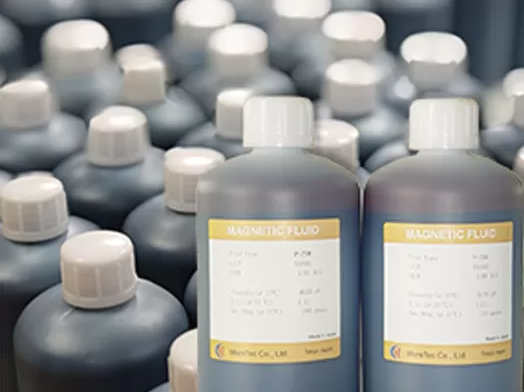
Rotary vacuum feedthroughs require special components like magnetic fluid and magnets, which increases manufacturing costs. Additionally, implementation requires design and adjustment based on the equipment, adding to the initial expenses.
However, from a long-term perspective, this isn't entirely a disadvantage. Rotary vacuum feedthroughs from leading ferrofluid manufacturer have longer lifespans than other sealing materials, which reduces the frequency of replacements and maintenance costs. Overall, the total cost is often lower than for other sealing components.
While rotary vacuum feedthroughs have many advantages, some failures can occur. With proper selection, design, and maintenance, these failures can be prevented, allowing rotary vacuum feedthroughs to perform optimally.

1. Proper Magnetic Fluid Selection: Magnetic fluid properties such as saturation magnetization, vapor pressure, and temperature characteristics must be considered to ensure optimal sealing performance.
2. Importance of Magnetic Field Design: Proper magnetic field design ensures that the magnetic fluid is securely held in place and can withstand pressure differences.
3. Maintaining Cleanliness: Contamination can degrade the performance of rotary vacuum feedthroughs, so it's essential to maintain a clean environment around the seals.
These factors are discussed further below:
Magnetic Fluid Selection
To ensure proper operation, choosing the right magnetic fluid is essential. Magnetic fluids have various properties, including viscosity, saturation magnetization, vapor pressure, and temperature characteristics, which need to be matched to the equipment and operating environment.
The higher the saturation magnetization, the greater the pressure differential the seal can withstand. Lower vapor pressure results in more stable sealing performance, though the cost of such fluids is higher.
Magnetic Field Design
Magnetic field strength directly affects the ability to retain magnetic fluid. Properly designed magnetic fields ensure the rotary vacuum feedthrough maintains its sealing function, even under pressure differences.
Improper magnetic field strength or poorly designed seals can lead to failure. Optimal magnetic field design involves simulating magnetic force distribution and adjusting the magnetic circuit accordingly.
Cleanliness Maintenance
To maintain optimal performance, it's critical to keep rotary vacuum feedthroughs clean. Contaminants can reduce sealing effectiveness and shorten the seal’s lifespan. Regular cleaning and maintenance can help maintain performance.
Although vacuum rotary feedthrough have long lifespans, proper maintenance can help prolong their effectiveness. Maintenance frequency depends on the operating environment and conditions, but regular checks and proper handling are essential.
Magnetic fluid may change in viscosity or particle aggregation over time, requiring periodic replacement to maintain sealing effectiveness.
Wear on the shaft or sealing surfaces can cause leaks. Regular inspections and replacements are necessary to prevent such issues.
Contaminants entering the rotary vacuum feedthrough can reduce sealing performance. Keeping the environment clean and performing regular maintenance are critical.
Temperature fluctuations affect the performance of magnetic fluid. Maintaining the appropriate temperature range is essential for optimal operation.
Rotary vacuum feedthroughs, due to their superior performance, are widely used across various industries. However, understanding the potential drawbacks, including magnetic fluid selection, magnetic field design, and maintenance, is crucial for making informed decisions.
Moretec offers expert support, ensuring your rotary vacuum feedthroughs perform at their best and addressing any maintenance concerns promptly.