- info@moretec-inc.com
- |
- CN
- |
- JP
A ferrofluid feedthrough is used to transmit rotary motion into a vacuum chamber while maintaining sealing performance. In semiconductor processing equipment, selection must consider vacuum level, cleanliness, speed, torque, temperature, shaft design and integration with the tool. A correct feedthrough can improve process stability and reduce downtime.
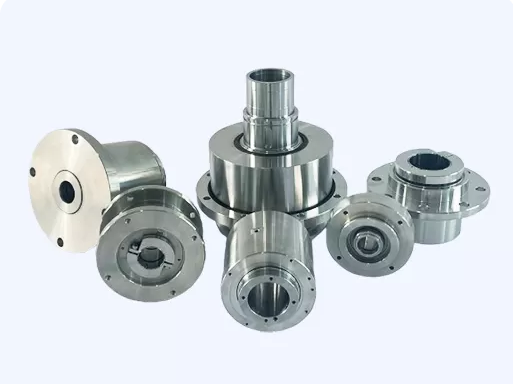
A ferrofluid feedthrough is a vacuum rotary feedthrough that uses a ferrofluid sealing structure around a rotating shaft. Magnetic fluid held by a magnetic field creates sealing stages that help maintain vacuum while the shaft rotates.
The feedthrough is typically designed with bearings, shaft, magnetic circuit, housing and mounting interface. It can be supplied as a standard model or customized for equipment design.
Transfers rotation into a vacuum chamber.
Uses ferrofluid sealing technology for vacuum sealing.
Can be designed as solid shaft, hollow shaft or custom configuration.
Used in semiconductor, coating, analytical and research equipment.
Semiconductor processing often requires clean operation, stable vacuum and precise motion. Feedthrough failure can affect process uptime, contamination control and equipment reliability. This makes model selection more technical than choosing by shaft diameter alone.
Engineers should evaluate the complete operating environment, including vacuum level, process gases, temperature, speed changes, torque and maintenance expectations. For equipment matching, compare the specifications on the hollow shaft ferrofluid vacuum feedthrough page before confirming specifications.
Clean rotation and low particle concern.
Stable vacuum sealing over long duty cycles.
Compatibility with process environment.
Reliable mounting and integration with existing equipment.
A solid shaft ferrofluid feedthrough is commonly used for direct torque transmission. A hollow shaft feedthrough may be selected when the design needs a passage through the rotating shaft for cables, gas, cooling or other process needs, depending on engineering design.
The correct choice depends on the equipment layout and functional requirements. Hollow shaft designs can be more complex and should be specified clearly during quotation.
Solid shaft: direct and common rotary drive option.
Hollow shaft: useful when internal passage is required.
Custom shaft ends may be needed for coupling, pulley or fixture connection.
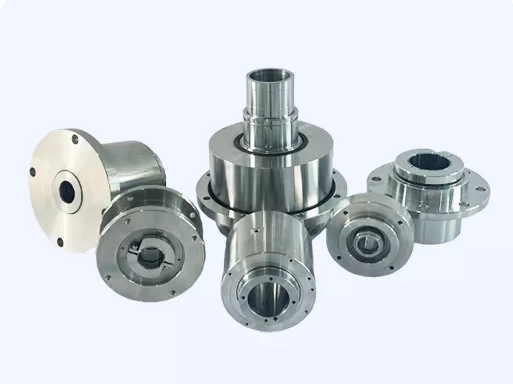
The supplier needs accurate operating data to select the right ferrofluid rotary feedthrough. Vacuum level, pressure differential, rotational speed, torque, shaft diameter and temperature all affect seal design and service life.
Process gas compatibility is also important. Some environments may require special review of ferrofluid type, materials and sealing configuration. For equipment matching, compare the specifications on the semiconductor vacuum seals page before confirming specifications.
Vacuum level and pressure differential.
Rotational speed and duty cycle.
Torque and shaft load.
Temperature range near the seal.
Process gases, vapors or chemical exposure.
Mounting flange and shaft connection details.
A feedthrough should fit the tool mechanically and support stable alignment. Misalignment, excessive radial load or unsuitable coupling design can shorten service life. The surrounding equipment should also allow reasonable access for installation and maintenance.
For semiconductor equipment builders, repeatability and documentation are important. Ask about model drawings, test data, quality records and customization process before final approval.
Confirm mounting orientation and available space.
Check coupling alignment and bearing load.
Request drawings for mechanical integration.
Clarify lead time for standard and custom models.
It transfers rotary motion into a vacuum chamber while using ferrofluid sealing technology to help maintain vacuum.
Select based on shaft size, speed, torque, vacuum level, pressure differential, temperature, process gas and mounting design.
Yes. They are used in semiconductor and other vacuum systems where clean, reliable rotary motion through a vacuum boundary is required.
Send your equipment drawing, shaft requirement, speed, torque, vacuum level and process conditions to get a ferrofluid feedthrough model recommendation.